About
About OINS
The Organization for the Interconnection of Nature and Societies (OINS) is a not-for-profit NGO, which aims to support smaller, often rural and disadvantaged communities and regions worldwide through knowledge exchange, the facilitation of networks, consultancy and advisory, and project support as an enabler for working towards sustainable development objectives.
Our vision
A world in which people reconnect with nature and with each other, and in which future generations can prosper.
Why we exist
Knowledge and opportunity should not depend on where a community is located.
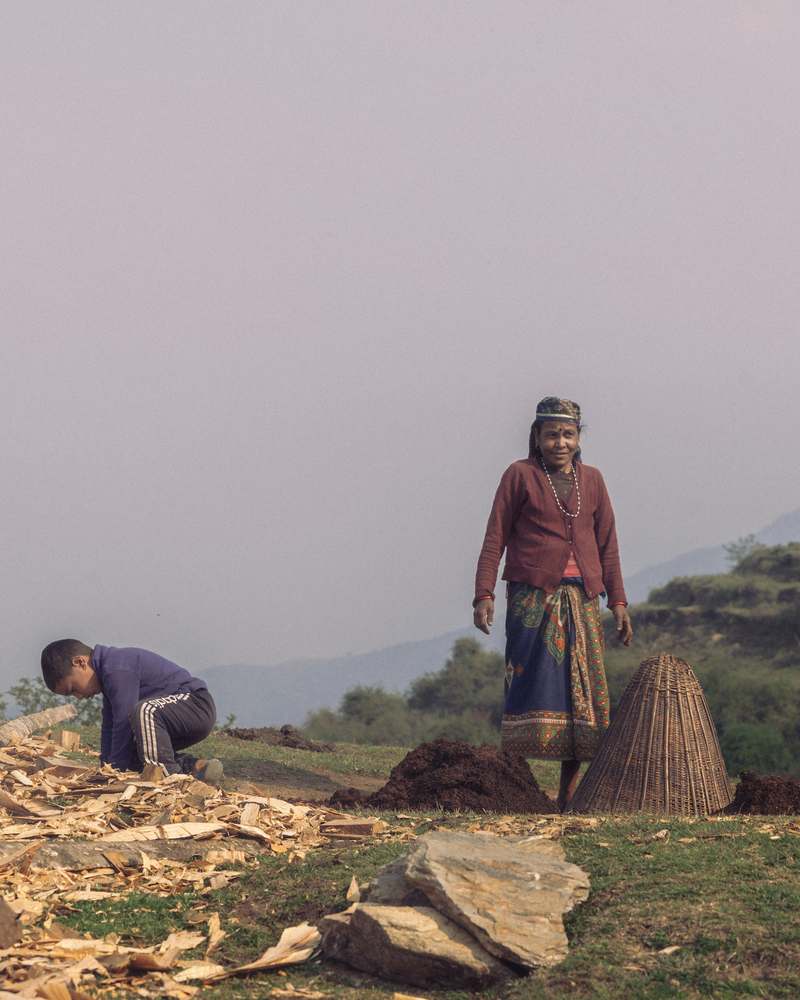
Smaller and often rural communities face change of a considerable magnitude. The climate is changing, in some places it is getting drier, in others extreme weather conditions pose significant challenges, and nature and ecosystems are threatened. Rural areas and local communities in the Global South however tend to have less access to expertise, networks and resources than large cities or than areas in the Global North, shaping local capacities to respond to sustainability challenges.
OINS was created to help close that gap — not by developing solutions for communities, but by working with them. We connect local and indigenous knowledge with scientific evidence, practical experience and wider networks so that solutions can be shaped bottom-up around real local priorities and circumstances.
Interdependence
Environmental and social systems are connected. We work across those links rather than treating challenges in isolation.
Collaboration
Useful knowledge moves through trusted relationships, practical exchange and shared learning across different perspectives.
Empowerment
Our objective is that local actors retain full ownership and agency over the solutions that affect them.
How we work
OINS is all about holistic engagement for nature, human-nature relations, and sustainable human societies.
OINS embraces a philosophy of interdependence, collaboration, and adaptability. It values diversity—ecological, cultural, and intellectual—and actively includes communities in decision-making. The organization serves as an enabler, equipping stakeholders with the tools, training, and partnerships necessary to implement long-term, impactful change.
For a wider understanding of current best practices we utilize Indigenous and local knowledge (systems) in combination (and in exchange) with the latest scientific developments, evidence and knowledge, while the UN SDGs provide a holistic framework to assess sustainable development. An emphasis is hereby also on collaborations with academia and other development NGOs.
hier auch Karussel mit den our work Themen inkl. Verlinkungen